
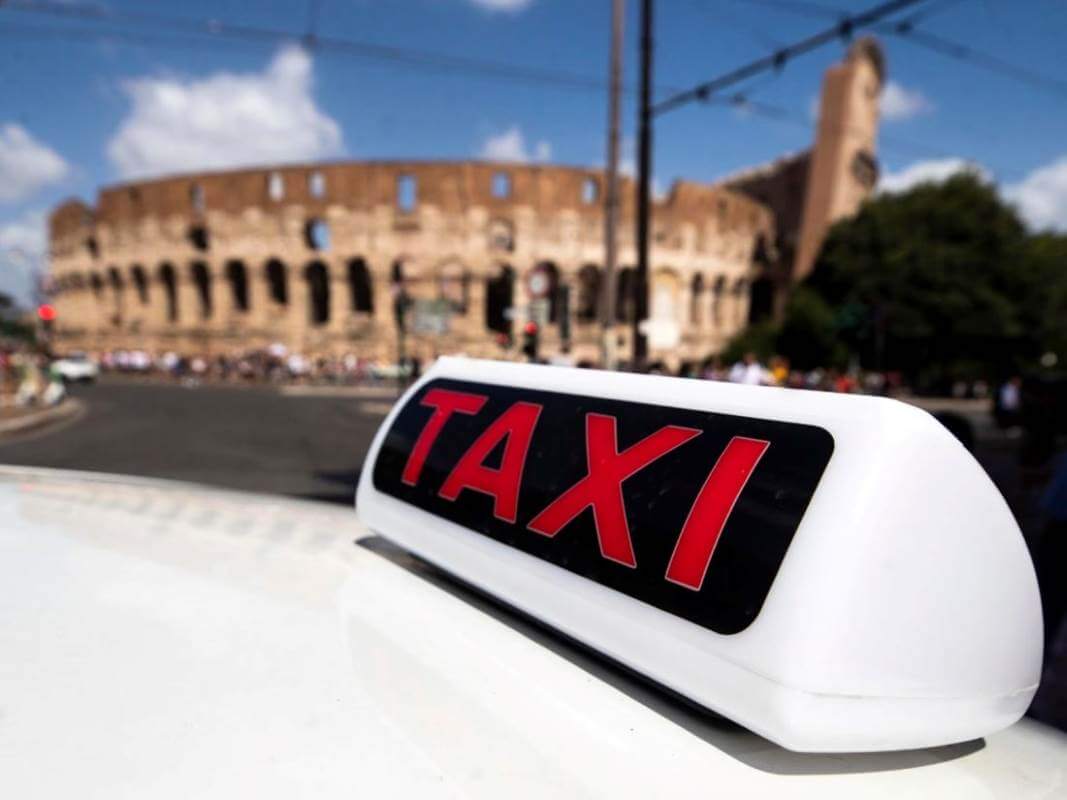
Competition for taxi licences in Rome in 2024
Introduction
Roma Capitale has launched an extraordinary competition to issue 1.000 taxi licences in Rome, which is one of the most significant public procedures in the urban mobility sector in recent years.
Recrytera has been involved in the entire selection process for the competition, supporting the management of a complex procedure in terms of its scale, impact and expectations, with the aim of ensuring transparency, reliability, and operational continuity.
What are taxi licences?
In Rome, they are administrative authorisations issued by the City Council that allow operators to provide non-scheduled public transport services. The number of licences is regulated locally and has a direct impact on the efficiency of the service.
The tender provided for 800 standard licences and 200 licences for accessible vehicles, with the aim of improving the service and making it more inclusive.
Numbers:
| Applications | 4.274 |
|---|---|
| Candidates | 3.992 |
| Days of the competition | 1 |
| City | Rome |
| Operators involved | over 100 |
An innovative test
The taxi licence selection process in Rome was based on a written test designed to assess regulatory skills, local area knowledge and safety-related awareness.
Using digital tools ensured consistency, traceability and speed in the assessment phases, making the management of this large-scale process much simpler.
A collective commitment
Organising the competition required coordination between the municipal administration, examination boards, and operational structures.
This collaborative effort was essential to ensure fairness, transparency, and consistency throughout the licence allocation process.
Technology, logistics and people
Managing taxi licences in Rome requires solid technology, precise logistics, and constant human supervision.
The combination of technology and human input ensures data security, clear information, and a fast, efficient experience for all candidates.
Conclusion
The competition for taxi licences in Rome is a concrete example of how digitalisation can support complex public procedures involving high levels of participation in large cities.
This model can be replicated and combines large numbers, strict rules, and process quality for the benefit of both the administration and citizens.
